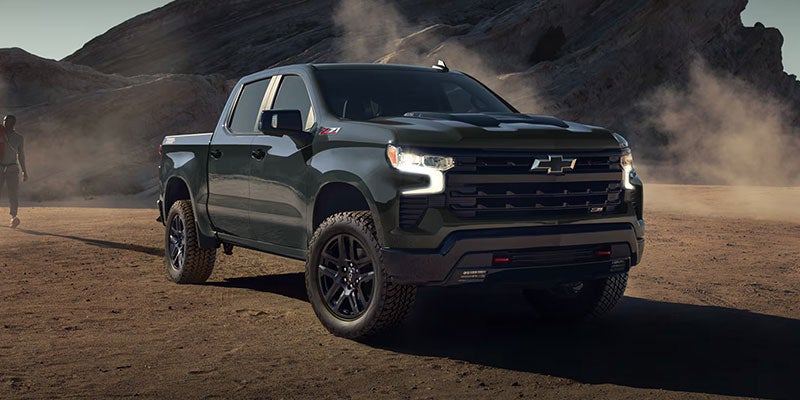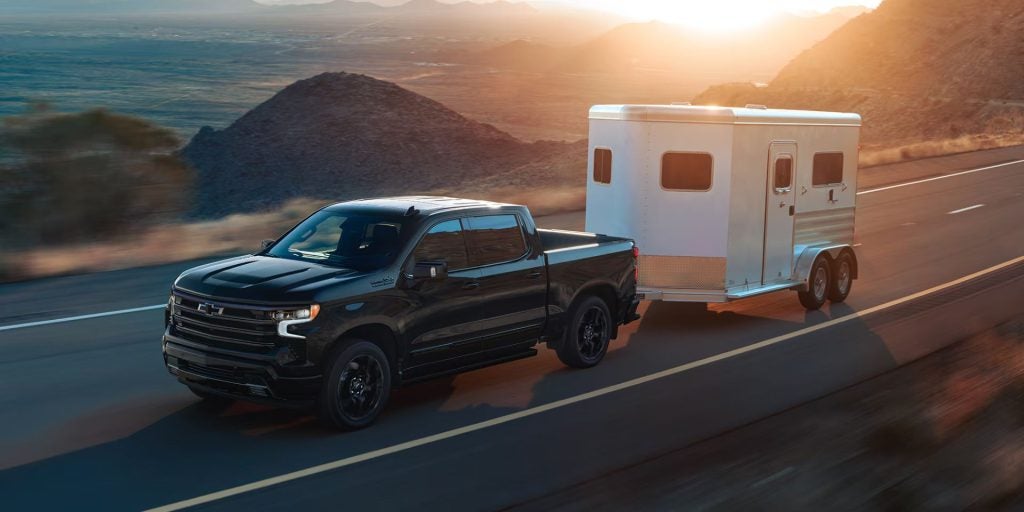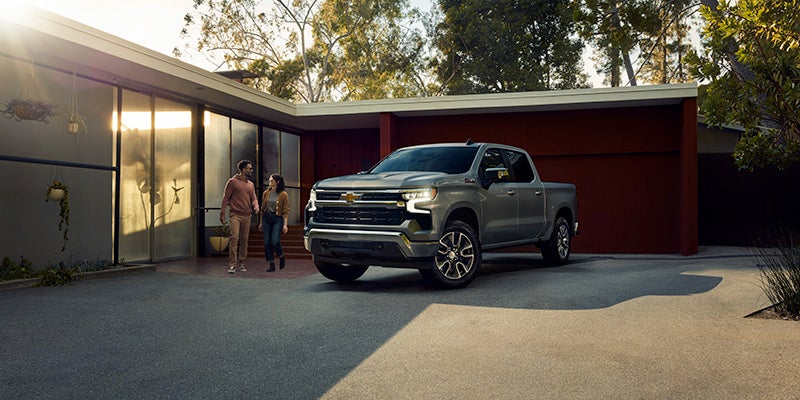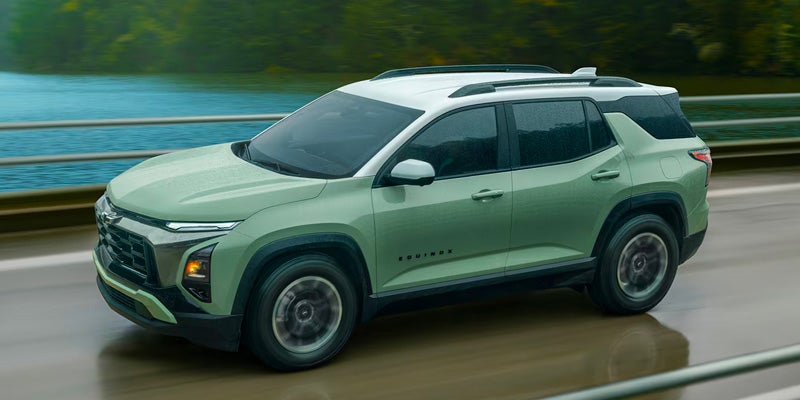





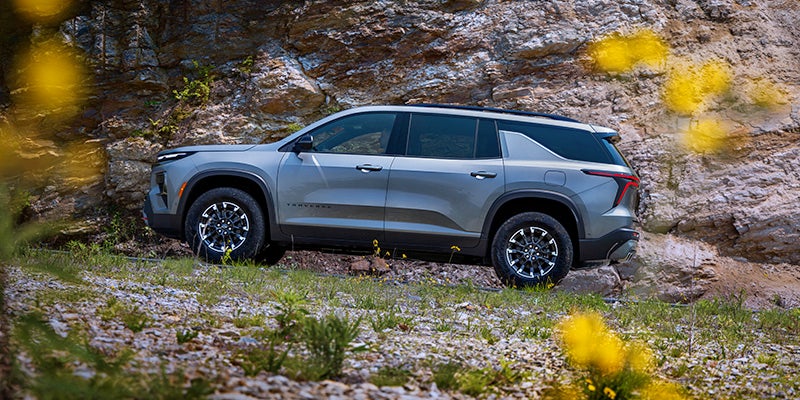
The time has come. You’re ready to upgrade from your 2-row midsize SUV to a 3-row family-hauler. If you're shopping for a family SUV near Chaska, Minnesota, the Chevy Traverse vs. Tahoe debate will undoubtedly come up. Both are capable, comfortable, and connected 3-row SUVs, but they’re right for different families. Understanding what sets them apart can help you make the right call for your household. Cargo Space and Functionality When it comes to the Chevy Traverse vs Tahoe, cargo space is often the deciding factor. The Traverse offers Best-In-Class cargo volume with up to 98 cu. ft. of maximum cargo space with both rear rows folded flat. It seats up to 8 passengers on LT trims with the available bench seat configuration, and offers independent wheelchair accessibility with a full-floor lowered design, power-illuminated ramp, and a 30.5” glide door. The Tahoe is a body-on-frame SUV with a longer, taller profile, giving it a more substantial feel on the road. While the Tahoe also offers 3 rows, its everyday-usable cargo space is not that much more than the Traverse’s—and with a larger, less fuel-efficient package. For families focused on versatility between loved ones and all their stuff, the Traverse has a clear edge. Performance and Capability The Traverse is powered by a turbocharged 2.5L engine producing a robust 328 hp and 326 lbs.-ft. of torque. It offers an advanced twin-clutch all-wheel drive configuration and off-road enhancements on its Z71 trim, and standard towing capacity comes in at 5,000 lbs. If your family adventures involve pulling a small camper or boat, it’s plenty strong enough. The Tahoe uses a more traditional full-size platform with V8 engine options and significantly higher towing ratings at up to 8,400 lbs. If heavy-duty towing is a priority, the Tahoe delivers. However, for everyday family driving around Chaska, the Traverse's lighter structure and turbocharged engine offer a more nimble and fuel-efficient experience for most errands and road trips. Technology and Safety Features Both vehicles bring modern technology to the table, but the Traverse stands out in a few key ways. Every Traverse comes standard with a 17.7” touchscreen display and an 11” Driver Information Center. Wireless phone charging and 2 nd -row USB ports are also standard, making long drives more comfortable for everyone on board. The real highlight is that it’s equipped with Google Built-in as standard. You’ll have Google Gemini AI Assistant, letting you use voice commands or even back-and-forth conversations to do everything from finding a new breakfast place to managing your calendar and changing climate controls. The Traverse includes over 20 standard safety and driver assistance features, including Automatic Emergency Braking, Blind Zone Steering Assist, and Rear Cross Traffic Braking. Available Super Cruise® hands-free driver assistance technology is available on higher trims such as the RS and High Country. The Tahoe also offers strong safety technology and many similar features, but many require higher trim levels or optional packages. The Traverse tends to deliver more technology as standard equipment across its trim range. Which Trim Is Right for You? The Traverse lineup includes 4 distinct trims—the well-equipped LT, off-road beast Z71, athletic RS, and luxurious High Country. The Z71’s off-road prowess is impressive with its exclusive Terrain Mode, Hill Descent Control, and an advanced twin-clutch all-wheel-drive system. The assertive RS brings a sporty look with standard Super Cruise® and blacked-out styling touches. The High Country is the most refined of the group, featuring real wood trim accents, microfiber suede, and Tritan Satin finishes inside and out. The Tahoe similarly spans a wide range of trims, including off-road-focused Z71 variants and luxury-oriented High Country options. If premium materials and maximum towing are top priorities, the Tahoe makes a strong case. Visit Lenzen Chevrolet to Find Your Match Choosing between the Chevy Traverse vs. Tahoe comes down to how your family lives and what you need your SUV to do every day. If you regularly travel with a full house of more than 5 passengers and need top-tier towing power, the Tahoe wins out. The Traverse is a versatile, tech-forward choice with class-leading cargo volume and an approachable size, appealing to everyday drivers who run back and forth to school, work, errands, and activities. Stop by Lenzen Chevrolet in Chaska, MN, to explore both models and find the right Chevrolet for your family.
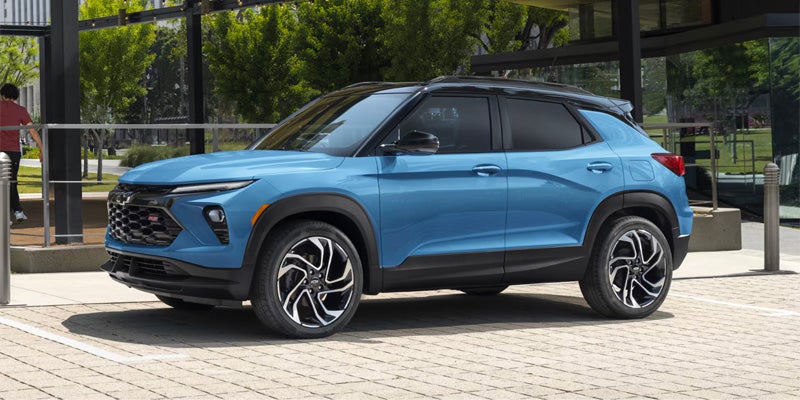
2026 Chevy Trax vs. Trailblazer: Similar Size, Different Talents
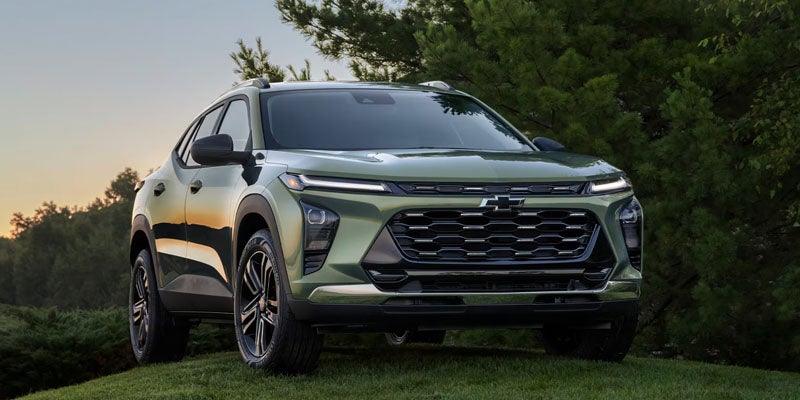
Put the 2026 Chevy Trax and Chevy Trailblazer next to each other and you might wonder why Chevrolet needs both. They’re small SUVs, both seat 5 passengers, and their standard engines even produce the same power. Dig a little deeper and the differences become useful. The Trax is the simpler proposition: FWD, one engine, and plenty of conventional cargo space. The Trailblazer offers a stronger available engine, AWD, some towing capacity, and a clever trick for carrying long items. For drivers around Chaska, Minnesota, choosing between them comes down to what you need the SUV to do. Trax Keeps Things Deliberately Simple Every 2026 Trax uses an ECOTEC® 1.2L Turbo 3-cylinder producing 137 hp and 162 lbs. ft. of torque. It’s FWD only and returns an EPA-estimated 30 mpg combined. There’s no factory tow rating, either. If AWD and trailer capability aren’t requirements, that simplicity isn’t necessarily a disadvantage. The Trax seats 5 passengers and provides up to 54 cu. ft. of cargo volume with the 60/40 split-folding rear seat down. That gives it enough space to handle luggage, shopping, sports equipment, and the other bulky things that inevitably find their way into a small SUV. Trailblazer Gives You More Ways to Configure It The 2026 Trailblazer starts in familiar territory. Its standard 1.2L Turbo 3-cylinder also produces 137 hp and 162 lbs. ft. of torque. The available ECOTEC® 1.3L Turbo is where things change. It produces 155 hp and 174 lbs. ft. of torque and comes standard on ACTIV and RS. With the 1.3L Turbo and FWD, the Trailblazer returns an EPA-estimated 31 mpg combined. More significant for Minnesota is available AWD. The Trailblazer can also offer up to 3 available drive modes, giving drivers more flexibility when road conditions change. Properly equipped, it can tow up to 1,000 lbs. That won’t turn it into a tow rig, but it’s capability the Trax simply doesn’t offer. The Cargo Contest Has an Interesting Twist Looking solely at maximum cargo volume misses one of the Trailblazer’s most useful features. The Trax offers up to 54 cu. ft. of cargo room, making it a conventional and practical choice when you need to load larger amounts of gear behind the front seats. The Trailblazer takes a different approach with a standard fold-flat front-passenger seat. Fold it along with the rear seating and items up to 8.5 feet long can fit inside. That’s enormously handy when the thing you’re carrying happens to be a ladder, lumber, flat-pack furniture, or something else that’s awkward rather than simply large. Neither One Treats Technology as an Afterthought The Trax offers an available 11-inch HD touchscreen, available wireless charging, and an available built-in Wi-Fi® hotspot. The Trailblazer makes its 11-inch HD color touchscreen standard and pairs it with an 8-inch Driver Information Center. Wireless Apple CarPlay® and Android Auto™ compatibility are standard, with wireless charging and a Bose® audio system available. So, technology probably won’t decide this comparison on its own. Both offer the connected features expected from a modern small SUV. The Decision Comes Down to Capability The Trax makes sense if your priorities are straightforward: FWD, 137 hp, an EPA-estimated 30 mpg combined, seating for 5 passengers, and up to 54 cu. ft. of cargo volume. The Trailblazer adds choices. Its available 1.3L Turbo produces 155 hp and 174 lbs. ft. of torque, AWD is available, towing capacity reaches 1,000 lbs. when properly equipped, and the fold-flat front-passenger seat gives it unusual flexibility with long cargo. For Chaska-area drivers facing Minnesota winters, available AWD could be the deciding factor. If you don’t need it, the Trax remains the simpler alternative. Drive Them Back to Back in Chaska The specification sheets explain why Chevrolet builds both SUVs. Sitting in them and driving them should make the final decision easier. Visit Lenzen Chevrolet-Buick Inc. to compare available 2026 Trax and Trailblazer models, explore trims and equipment, and see how each fits your needs. Once you’ve narrowed it down, schedule a test drive online and put the two small SUVs back to back.